
What Is Kittenfishing? The Dating Trend That’s Sabotaging Your Love Life Before It Begins
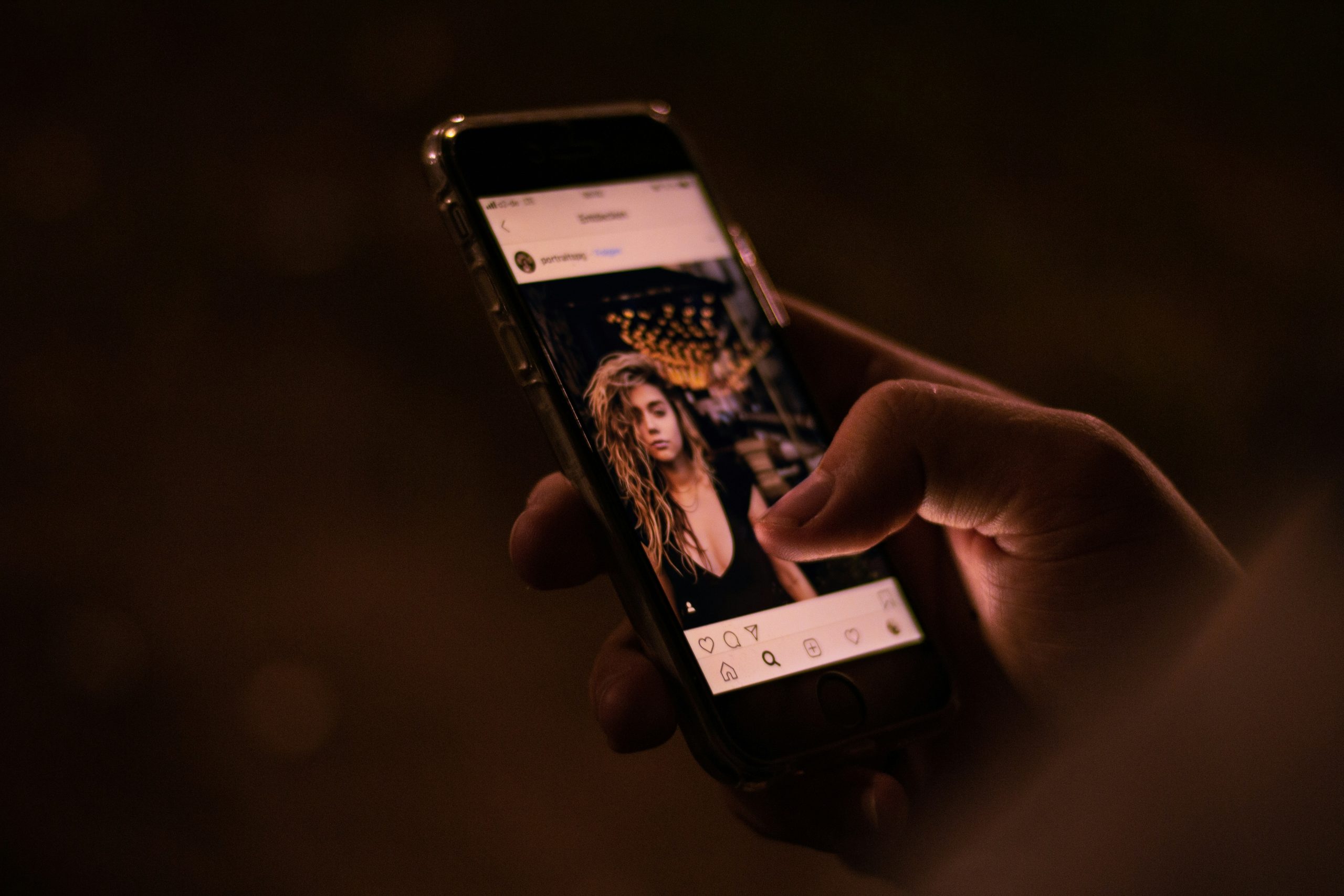
You match with someone on a dating app.
Their photos are attractive. Their profile is impressive. The conversation flows easily.
Then you meet them in person.
And something feels… off.
They’re not completely different from their profile. They just aren’t exactly who they presented themselves to be.
Maybe the photos are ten years old.
Maybe they’re shorter than they claimed.
Maybe that prestigious university listed in their bio turns out to be a weekend course they once took.
Welcome to the world of kittenfishing.
What Is Kittenfishing?
Kittenfishing is the PG version of catfishing.
While catfishing involves creating an entirely fake identity, kittenfishing is more subtle. It’s when someone presents themselves in a way that stretches the truth about who they are or what they look like.
This can include:
- Using heavily filtered photos
- Posting pictures that are years out of date
- Misrepresenting age, height, or lifestyle
- Embellishing job titles or accomplishments
- Leaving out information that would create a more accurate picture
It’s not a complete fabrication. It’s an exaggeration.
And that’s exactly why it’s so common.
Why People Kittenfish
Most people don’t kittenfish because they’re malicious.
They kittenfish because they’re afraid.
Dating apps have created an environment where people make split-second decisions. In many cases, someone spends less than a second looking at a profile before deciding whether to swipe.
As a result, many singles start to believe they need to optimize, or even edit, themselves to compete.
The thinking goes something like this:
“If I can just get my foot in the door, they’ll like the real me once we meet.”
The problem is that attraction isn’t the only thing you’re creating.
You’re also creating doubt.
Building Trust Is Crucial in Dating
Most people assume kittenfishing is about appearance. But it’s actually about trust.
When someone discovers that your profile doesn’t accurately represent who you are, it creates a question in their mind:
What else isn’t true?
Even if the discrepancy seems minor to you, the other person now has to reconcile two different versions of reality: the profile they swiped on and the person sitting across from them.
Healthy relationships are built on trust. So when a connection starts with deception, even a small one, you’re creating friction before intimacy has had a chance to develop.
What Kittenfishing Says About Modern Dating
The rise of kittenfishing reveals something deeper about dating culture. Many singles no longer believe that who they are is enough. Instead of focusing on connection, they’re focusing on optimization.
A tweak here, an edit there, a little polishing there. They try to become more appealing to the widest possible audience.
But here’s the irony: the more generic and polished you become, the harder it is for the right person to actually recognize you.
When everyone is trying to appeal to everyone, authenticity gets lost.
The Scarcity Mindset Behind Kittenfishing
One of the biggest forces driving modern dating behavior is scarcity.
People are losing hope. They believe there are no good partners left and that dating has become harder than ever, with limited opportunities around them.
And when people operate from scarcity, they start making decisions from fear rather than confidence.
The Real Secret to Attraction
Many people assume attraction comes from presenting a flawless version of themselves. But in reality, attraction often comes from the opposite. It comes from revealing something specific, memorable, and uniquely you.
The people who stand out aren’t necessarily the most attractive.
They’re often the most authentic.
They’re willing to let people see the quirks, passions, interests, and perspectives that make them different. And yes, that means some people won’t like them, and that’s okay.
You’re not trying to attract everyone. You’re trying to attract the right person.
Final Thoughts
Kittenfishing might help you get more matches. But it rarely helps you build more trust.
And trust, not filters, not inflated credentials, not carefully curated versions of yourself, is what creates lasting relationships.
This is something I explore deeply in my book UNSINGLE: dating smarter isn’t about performing your way into love. It’s about building the self-awareness, discernment, and relationship skills needed to create something real.
The strongest dating strategy isn’t presenting a better version of yourself.
It’s presenting an honest one.
Because when you stop trying to appeal to the masses and start showing people who you actually are, something powerful happens:
You become visible to the people who are genuinely a good fit for you.